
Breakthrough: Personalized mRNA Cancer Vaccine Succeeds in Phase Ⅲ Trial

On August 19, 2026,
Moderna and Merck (known as MSD outside the U.S. and Canada) announced that
their jointly developed, world's first personalized mRNA cancer vaccine, intismeran autogene (V940 / mRNA-4157),
when used together with pembrolizumab (KEYTRUDA®) as adjuvant therapy for
completely completely resected high-risk stage IIB, IIC, III, or IV cutaneous
melanoma, the Ⅲ INTerpath-001 trial in a pre-specified interim analysis met the primary endpoint of recurrence-free survival (RFS) and the key
secondary endpoint of distant metastasis-free survival (DMFS).
This is a global, randomized, double-blind, placebo- and
active-comparator-controlled Ⅲ study that enrolled 1137
patients who had undergone complete surgical resection and had not received
prior systemic therapy, randomized in a 2:1
ratio to the combination treatment group or the KEYTRUDA monotherapy
control group. The combination regimen significantly prolonged the time
patients remained recurrence-free and distant metastasis-free after surgery,
achieving statistically significant and clinically meaningful improvements. Per
the trial protocol, the study will continue to evaluate other key secondary
endpoints, including overall survival
(OS), for which data are currently immature. In terms of safety, the safety
profile of intismeran in combination with KEYTRUDA was consistent with
previously reported studies, with no new
safety signals observed.
This represents the first
individualized neoantigen therapy (INT) to achieve positive results in a Ⅲ clinical
trial in human history, the first positive Ⅲ readout for an mRNA-based cancer
therapy, and the first Ⅲ study to demonstrate a clinically meaningful improvement over
standard-of-care KEYTRUDA monotherapy in the adjuvant melanoma setting, marking
the first successful Ⅲ trial for mRNA technology in cancer treatment.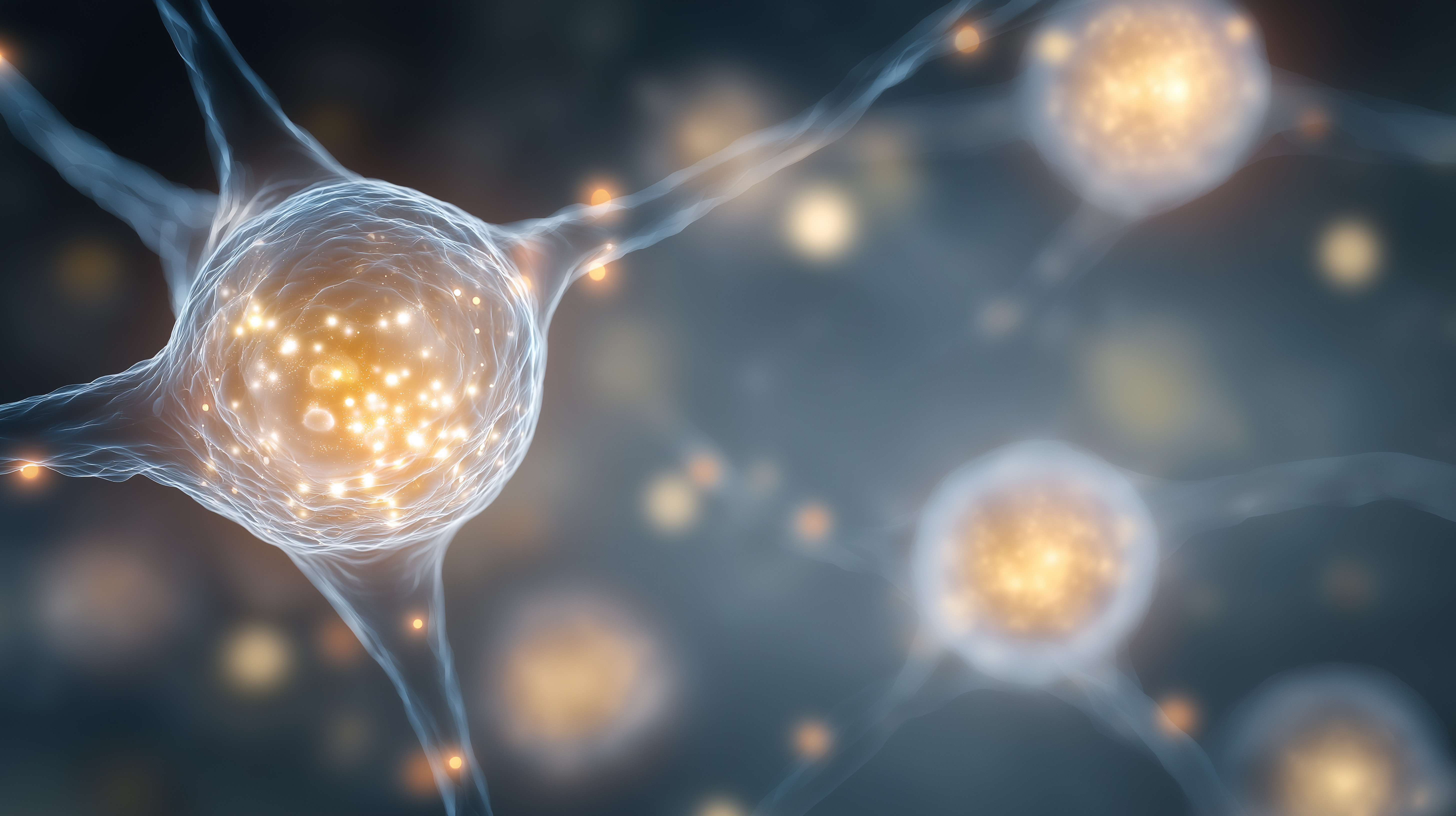
Traditional PD-1 monotherapy primarily relieves T-cell
immunosuppression, whereas intismeran autogene is based on whole-exome and RNA
sequencing of the patient's tumor, algorithmically selected to encode up to 34 patient-specific
neoantigens, providing the immune system with more targeted anti-tumor
targets. The combination means tumor immunotherapy evolves from simply
"releasing the brakes" to "releasing the brakes + targeted
immune response supplementation." In plain terms, when mRNA containing up
to 34 personalized neoantigen sequences enters human cells, the body's immune
factory immediately translates them into neoantigen protein fragments and
presents them to the immune system. T cells in the body, upon seeing these
fragments, rapidly complete "special forces training" and begin
patrolling throughout the body's blood vessels and lymphatic vessels,
specifically killing cancer cells carrying these mutational signatures. Each
patient's vaccine is individually designed based on their tumor's mutational
signature, which is why it is called an INT.
The specific treatment regimen is: intismeran autogene 1 mg intramuscularly, every 3 weeks, up to
9 doses; in combination with KEYTRUDA 400
mg intravenously, every 6 weeks, up to 9 cycles (approximately one year).
The control group received KEYTRUDA monotherapy for approximately one year,
until disease recurrence or unacceptable toxicity, with a total treatment
duration of up to approximately 56 weeks.
The current Ⅲ positive results build on data from the Phase 2b
KEYNOTE-942/mRNA-4157-P201 study. The 5-year follow-up data from this study
were presented at the 2026 American Society of Clinical Oncology (ASCO) Annual
Meeting: intismeran in combination with KEYTRUDA, compared to KEYTRUDA
monotherapy, reduced the risk of
recurrence or death by 49% (hazard ratio [HR]=0.51; 95% confidence interval
[CI], 0.294–0.887), and reduced the risk
of distant metastasis or death by 59% (HR=0.411; 95% CI, 0.200–0.843); the 5-year RFS rates were 68.8% (95% CI,
56.3%–78.3%) and 49.1% (95% CI, 37.0%–60.2%), respectively.
Merck and Moderna plan to formally present the detailed data of
INTerpath-001 at an upcoming top international medical conference, and will
engage with regulatory authorities on marketing authorization submissions.
Moderna Chief Executive Officer (CEO) Stéphane Bancel stated that the
personalized cancer vaccine could be approved
for marketing as early as 2027, depending on the regulatory review process.
This is not only an important clinical validation of mRNA
technology in oncology, but also opens the path for individualized
immunotherapy to become the backbone of next-generation immuno-oncology
combinations. Merck and Moderna's INTerpath pipeline currently comprises 9 Phase 2 and Ⅲ clinical
trials, spanning multiple tumor types
and disease stages including melanoma, non-small cell lung cancer (NSCLC),
bladder cancer, and renal cell carcinoma; additional Phase 1 studies are
exploring adjuvant pancreatic ductal adenocarcinoma, perioperative gastric
cancer, and perioperative NSCLC. This pipeline is expected to form another
scalable tumor treatment platform following PD-1 and antibody-drug conjugates
(ADCs).
The era of precision anti-cancer treatment for humanity is
becoming a reality!
I. Original Source
This article is adapted from "Major Breakthrough: The First
Therapeutic Cancer Vaccine!" published by Sina Finance on August 20, 2026
(content source: Shezhang Shuo / Yanxun She).
II. Data Sources
[1] ClinicalTrials.gov. INTerpath-001 (NCT05933577):
A Study of Intismeran Autogene in Combination With Pembrolizumab Versus
Pembrolizumab Alone in Participants With completely resected high-risk Stage
IIB-IV Melanoma.
[2] Merck & Moderna. Merck and Moderna Announce Ⅲ INTerpath-001 Trial
of Intismeran Autogene Plus KEYTRUDA Met Endpoints of RFS and DMFS in Patients
With Completely Resected Stage IIB-IV Melanoma. Official joint press release,
2026-08-19. https://www.nasdaq.com/press-release/merck-and-moderna-announce-phase-3-interpath-001-trial-intismeran-autogene-plus
[3] Merck. Moderna & Merck Announce 5-Year Data
for Intismeran Autogene in Combination With KEYTRUDA in KEYNOTE-942 Trial.
Official announcement, 2026-01-20.
https://www.merck.com/news/moderna-merck-announce-5-year-data-for-intismeran-autogene-in-combination-with-keytruda-pembrolizumab-demonstrated-sustained-improvement-in-the-primary-endpoint-of-recurrence-free-survival-i/
[4] Long GI, et al. Individualized neoantigen
therapy intismeran autogene plus pembrolizumab in resected melanoma: 5-year
update of the KEYNOTE-942 study. J Clin Oncol 2026;44(16_suppl):9500. ASCO 2026
Annual Meeting abstract. https://ascopubs.org/doi/10.1200/JCO.2026.44.16_suppl.9500
[5] Moderna (MRNA) US stock market data. Close at
16:00 ET on 2026-08-19. Tonghuashun / Sina Finance / Xueqiu.
https://stock.finance.sina.com.cn/usstock/quotes/mrna.html
[6] Sina Finance. When will Moderna's personalized
cancer vaccine be available on the market? 2026-08-20.
https://cj.sina.com.cn/articles/view/7879849019/1d5acf43b06801dwu6
Note: Trial
registration information in this article is sourced from reference [1];
INTerpath-001 Ⅲ trial design, endpoint results, safety conclusions,
dosing regimen, and pipeline information are sourced from reference [2];
KEYNOTE-942 Phase 2b 5-year follow-up data are sourced from references [3][4];
stock price and market capitalization data are sourced from reference [5];
marketing timeline expectations are sourced from reference [6].


Posts recommend
-
 Time:2026-09-20
 -
-
-